![Amazon.com: In the Heat of the Night [DVD] [1967]](https://m.media-amazon.com/images/I/91sOBC2xBDL.jpg)


![Amazon.com: In the Heat of the Night [DVD] [1967]](https://m.media-amazon.com/images/I/91sOBC2xBDL.jpg)


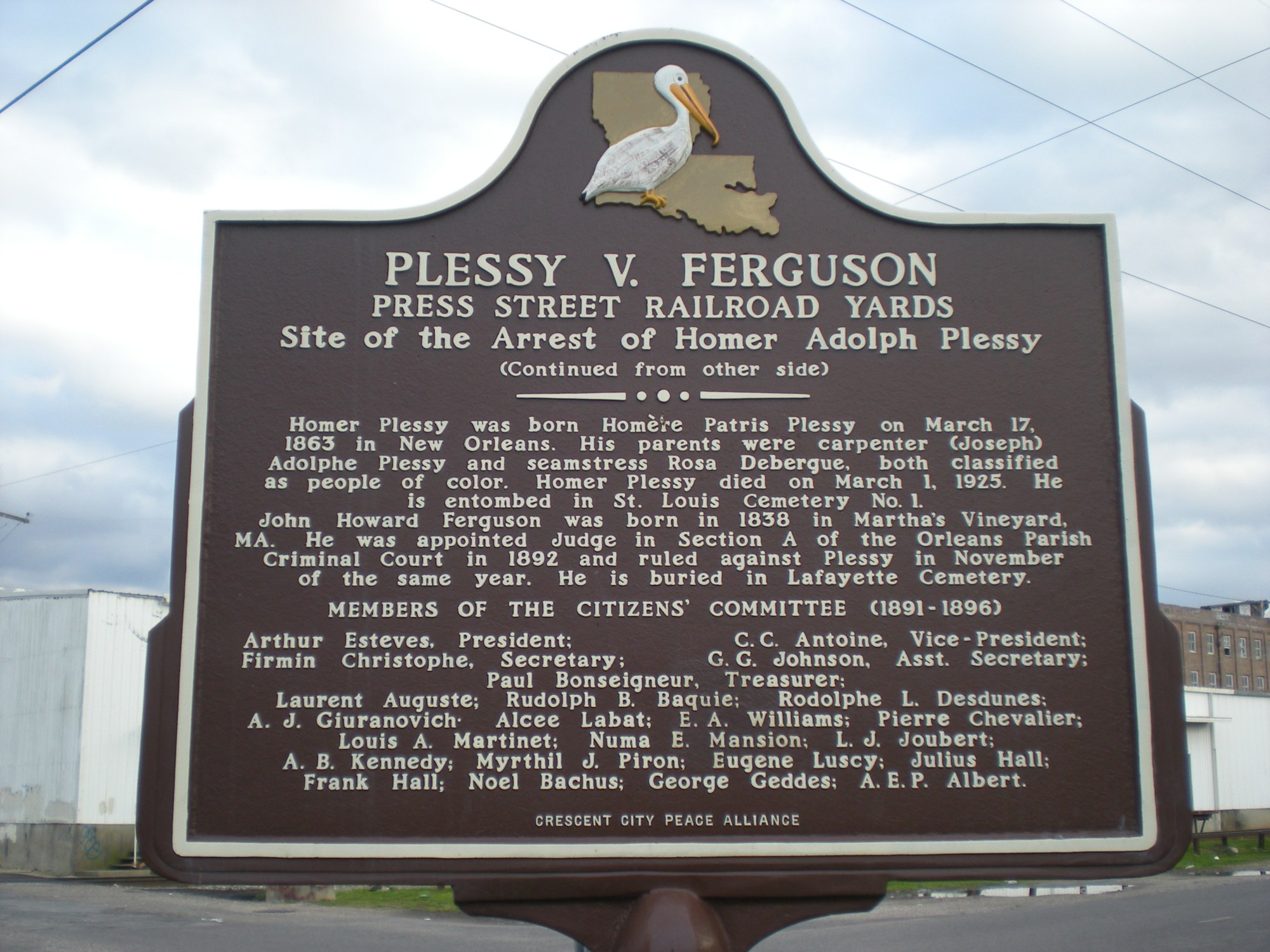
For our trials, our topic was Plessy v. Ferguson, and my group was assigned to represent the Ferguson side. When it was my turn to go up on trial in front of the judge and jury, my specific argument focused on the Separate Car Act.
I wanted to make sure that I explained our side clearly and provided strong reasoning to support our position.
During my argument, I went into detail about how the Separate Car Act did not technically deny Plessy a seat or a ticket. Instead, the law required separate accommodations for different races.
I focused on explaining how, from the perspective of the Ferguson side, the law was not intended to completely deny someone their rights but rather to maintain the separation that was accepted and practiced during that time period.
Another important point I brought up during my argument was that Louisiana did not create segregation.

Segregation was already happening throughout many parts of society, including schools, churches, and other public places.
I wanted the judge and jury to understand that segregation was not something that only existed in Louisiana or something that one individual state was responsible for creating. It was a much larger issue throughout the country.
I also discussed how Congress and the federal government had a role in allowing segregation to continue rather than placing all of the responsibility on individual states.
I felt that this was an important point because it helped explain the historical circumstances surrounding the case and why Louisiana believed its actions were justified at the time.
I also brought up the Fourteenth Amendment, which had recently been passed during this period.
I explained that the amendment did not necessarily require the changes that Plessy's lawyers were demanding.
From the perspective of our argument, the amendment established legal equality and protected certain rights, such as the right to own property, make contracts, and have equal protection under the law.
I wanted to show that there was a difference between the legal rights protected by the Fourteenth Amendment and what Plessy's lawyers were arguing should be required under the law.
This helped me support my position and explain why I believed the state of Louisiana was not necessarily violating the amendment in the way the opposing side claimed.
Although the Ferguson side did not win the court case during our classroom trial, I honestly believe my group did a really good job explaining our position and putting up a strong fight.
Even though we did not get the outcome we wanted, I do not think that means we did poorly. I believe we successfully presented our arguments, explained our reasoning, and showed that we understood the historical background of the case.

Each person in my group contributed something important, and I felt that we worked together to defend our side as best as we could.
We were able to explain why we believed what we believed and provide information to support our arguments instead of simply stating our opinions.
One thing I learned from this experience is how important it is to understand both sides of a historical event or court case.
Before participating in this trial, I did not necessarily think about all the different arguments that could be made from the Ferguson side.
Having to defend that side challenged me to look more closely at the laws, amendments, and beliefs that existed during that time period.
It also helped me understand how complicated court cases can be and how the interpretation of laws can affect the outcome of important decisions.
I learned that preparing an argument requires research, confidence, and the ability to explain your thoughts clearly in front of other people.
Overall, I really enjoyed participating in this trial because it gave me the opportunity to experience what it might be like to defend a side in an actual court case.
Even though our group did not win, I am ultimately proud of everyone and the effort we put into our arguments. I think each one of us did a very good job, and we all played a part in representing the Ferguson side.
I am glad that we had the opportunity to participate because it allowed us to learn more about Plessy v. Ferguson while also improving our public speaking, teamwork, and critical-thinking skills.
At the end of the day, I believe we gave it our best effort, stood by our arguments, and did a great job representing our side.

After listening to the presentations about Reconstruction I realized that freedom in America was not something that happened overnight.
Before these presentations I understood Reconstruction as the period after the Civil War when the country was trying to rebuild and give formerly enslaved African Americans more rights. However learning about the first Black members of Congress, the importance of education, and the consequences of the Compromise of 1877 helped me understand how difficult it really was for African Americans to gain equality and have their voices heard.

What stood out to me the most was how many people fought for opportunities that others already had, and how quickly some of those opportunities were taken away
One part of the presentations that caught my attention was the information about Hiram Revels and Joseph H. Rainey. Hiram Revels became the first Black member of Congress and the first Black U.S. senator, representing Mississippi in 1870.

Before entering politics, he was a minister, educator, and Union chaplain. I thought it was important that he used his position to speak against racial segregation and represent people who had been ignored for so long.
Joseph H. Rainey was also an important figure because he became the first Black U.S. representative, representing South Carolina. What made his story especially powerful to me was that he had been born enslaved but eventually became a directly elected member of Congress.
Both men showed that African Americans were capable of holding leadership positions and helping shape the future of the country. Their accomplishments were not just personal achievements; they represented progress for an entire community.
Another topic that stood out to me was the rise of African American education during Reconstruction. I believe education is one of the most important parts of creating opportunities for people, so learning about the challenges Black Americans faced when trying to attend school was upsetting.
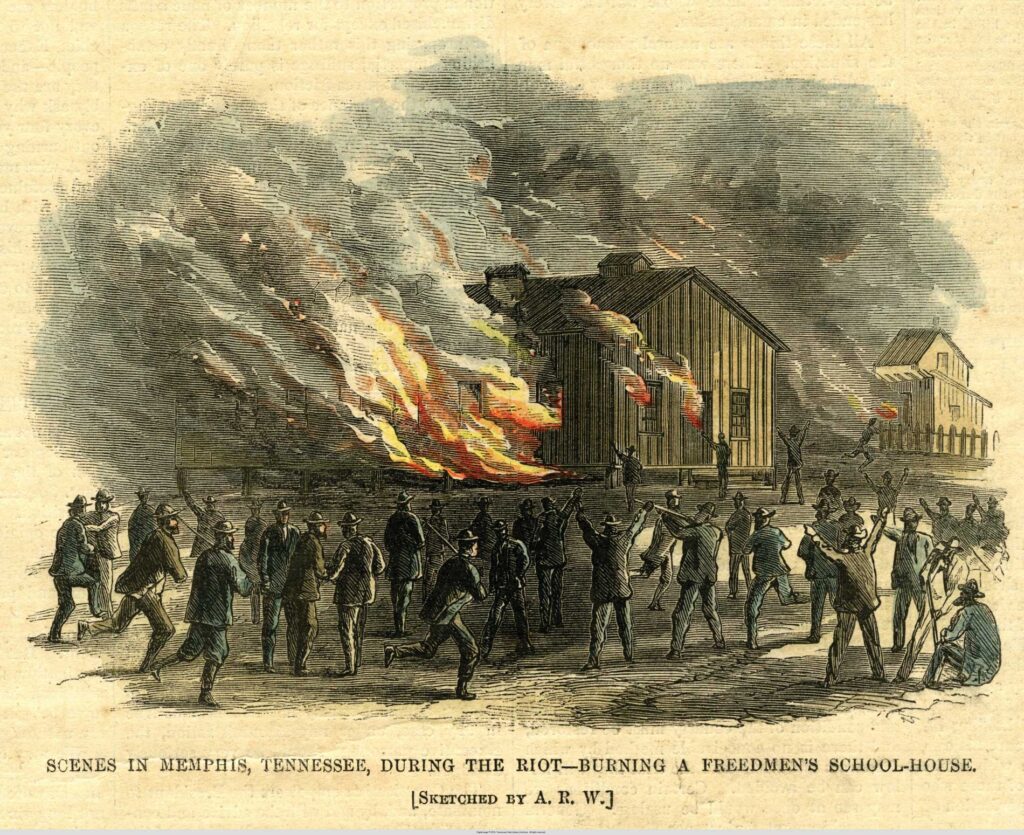
Schools struggled with racism, violence, and a lack of funding. White supremacist groups even attacked teachers and burned school buildings to prevent African Americans from becoming educated. Despite these challenges, historically Black colleges and universities, including Howard University, Fisk University, and Hampton Institute, were founded.
It was inspiring to learn that people continued fighting for education even when others were trying to take those opportunities away.
To me, this shows how much education meant to formerly enslaved people and how they understood that knowledge could help create a better future for themselves and generations after them.
The presentation about the Compromise of 1877 was probably the most surprising part to me because it showed how quickly progress could be lost. After the disputed presidential election of 1876 between Rutherford B. Hayes and Samuel J. Tilden, the Compromise of 1877 helped Hayes become president.
One major part of the compromise involved withdrawing federal troops from the South. This had serious consequences for African Americans because federal protection and enforcement of Reconstruction policies began to disappear.

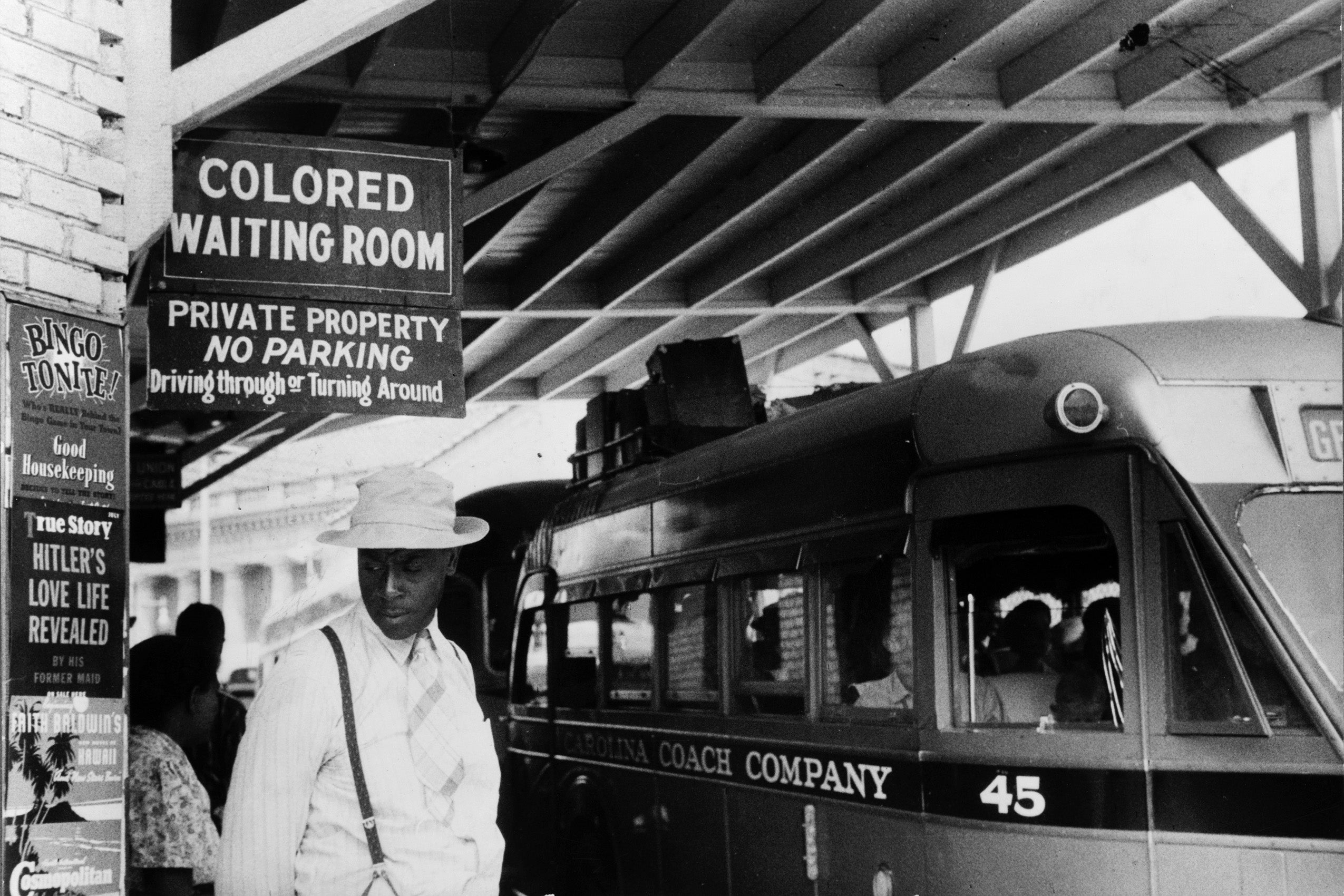
As a result, Southern governments that opposed Reconstruction gained more power, segregation expanded, and African Americans faced greater barriers to voting and participating in politics.
It was disappointing to learn that after so many people had worked hard to gain basic rights, political decisions could weaken that progress.
Overall, these presentations changed the way I think about freedom in American history.
I used to think of freedom mainly as being released from slavery, but now I understand that freedom also means having equal opportunities, access to education, political representation, and protection under the law.
The stories of Hiram Revels, Joseph Rainey, and the people who fought to establish schools show that African Americans were not simply waiting for change to happen. They were actively working to create change for themselves and their communities.
Overall I thought all the groups did an amazing job and I learned so much from all of them.
AI DISCLOSURE: AI was used. I used Claude AI to shape my notes into a blog post. Claude AI also helped me clean up the text for grammar, spelling, and punctuation. I then edited the text and added images.